
Companion Pet Hospital
Dedicated to our patients, clients, and the environment, our full-service animal hospital is recognized for high-quality veterinary medicine, state-of-the-art equipment, outstanding customer service, and competitive pricing.
Proudly Welcoming New Clients!


About Companion Pet Hospital
Companion Pet Hospital opened its doors in the historic South Philly neighborhood of Pennsport in 2009 by Dr. Corinne Majeska and her husband, Joshua Weber, as practice manager. Dedicated to limiting their environmental impact, the Philadelphia-native couple assembled a team of experts to ensure that every aspect of building the clinic met their sustainability requirements. Today, our state-of-the-art pet hospital remains green and is home to five highly skilled veterinarians and over 20 caring staff members.
TAKING THE “PET” OUT OF PETRIFIED
We are proudly recognized as the only Fear Free Certified Practice in the city of Philadelphia and have been named a Cat-Friendly Practice by the American Association of Feline Practitioners.


Veterinary Services in Philadelphia, PA
We are a full-service animal hospital providing comprehensive healthcare and grooming services to companion animals in Philadelphia and surrounding areas.
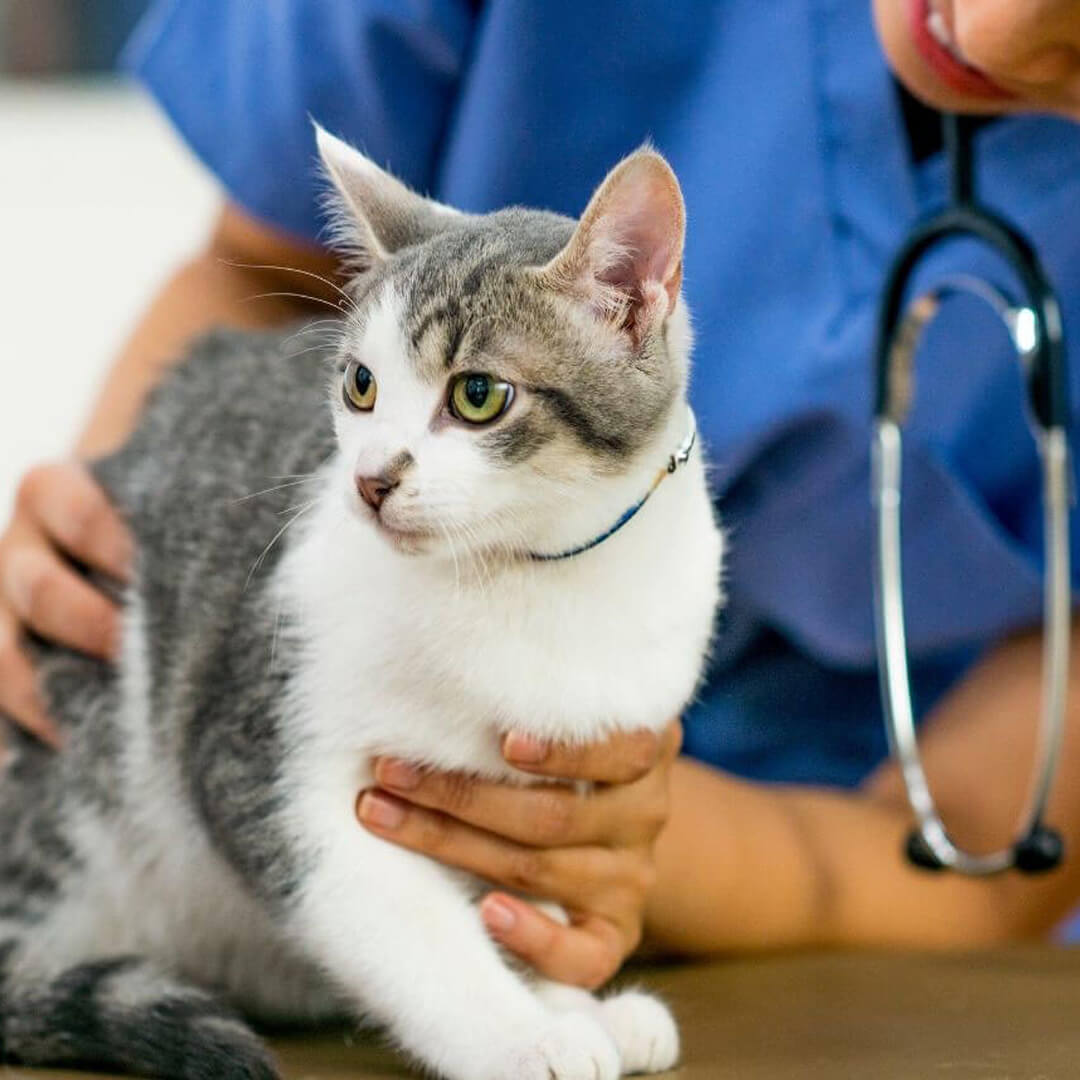
Pet Wellness
Veterinary wellness exams are critical in ensuring that pets stay healthy by allowing veterinarians to catch potential problems in their early stages.
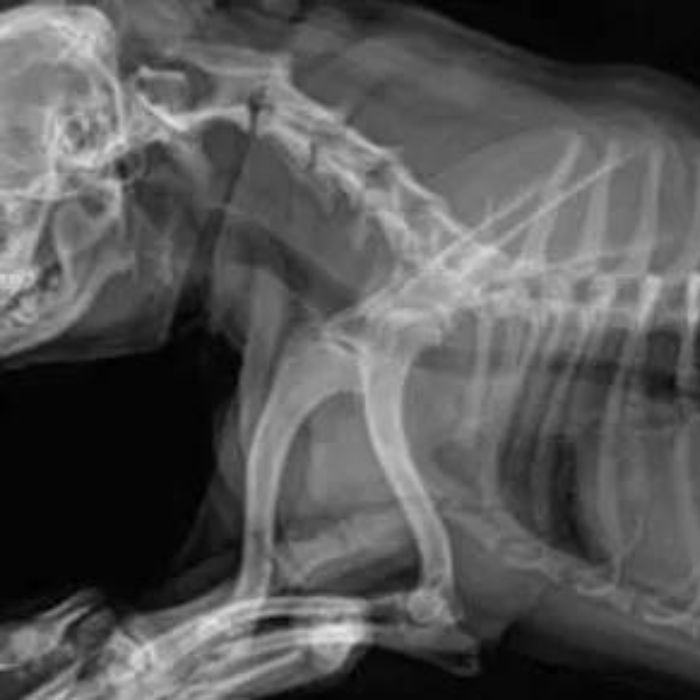
Pet Diagnostics
An X-Ray is a process that allows veterinarians to look inside an animal’s body. It involves passing low radiation levels through various parts of the animal’s body.

Pet Dentistry
Regular dental care is essential to overall pet health and can help your pet live a longer, more comfortable life.
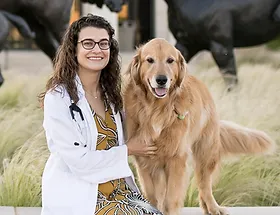

Meet Our Team
Our staff is committed to providing quality care at every stage of your pet’s life. From early detection and treatment of conditions and diseases to surgical intervention, we are here for you and your four-legged family members. At Companion Pet Hospital, you can expect exceptional care delivered with compassion.